When the pad is done, and the refill habit
A mop is really two purchases with different lifespans. The frame and handle go on for years. The pad is a wear part, like the head of a toothbrush, and treating it as permanent is how a good mop gets a bad reputation in its second year.
Tired or just dirty
A dirty pad recovers in the wash: it comes out fluffy, holds water evenly, and glides. A tired pad comes out of the same wash and still streaks, still drags, still shows flat shiny tracks where the loops used to stand up. Wash a suspect pad once and judge it after; if it fails clean, it is done.
The rotation
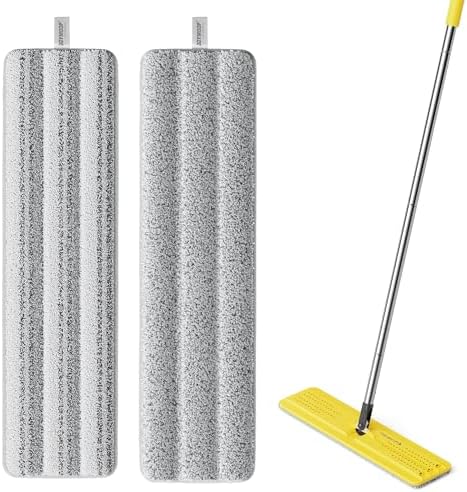
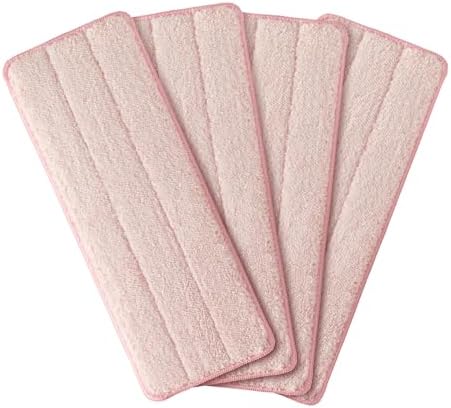
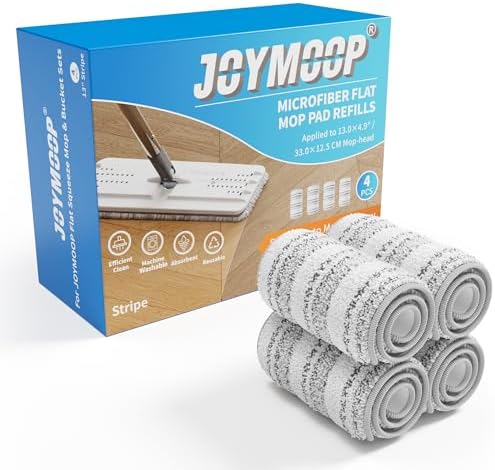
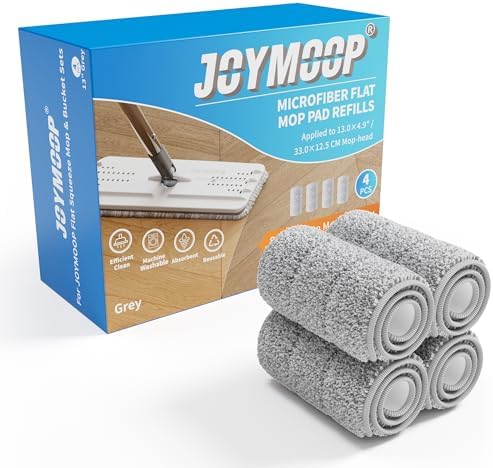
Two pads per mop is the working minimum: one on the floor, one drying from its wash. A third pad joins the rotation in homes with pets or kids, where a mid-week floor is normal. The rotation is also why refill packs make sense over single pads; matched pads wear at the same rate and you learn their lifespan instead of guessing.
Match the pad to the job, not just the mop
Most of our frames take more than one pad type. The everyday microfiber does floors. A chenille pad drinks more water for tile. A scrubbing-stripe pad handles the kitchen path in front of the stove. Same handle, different Tuesday. Check the frame size when ordering; pads hold on by size, and a close-but-wrong pad walks off the frame mid-stroke.
The drawer
Keep the refills where the mop lives, not in a closet across the house. A pad change you can do in ten seconds happens on schedule. One you have to go looking for happens next month. The same drawer takes the floor cleaner, and now the whole floor system is one reach.