The dry pass comes first
The most common mopping complaint we hear is streaks, and the cause is usually not the mop. It is the grit that was still on the floor when the wet pad hit it. Wet plus dust equals mud, and a mop drags mud in straight lines. The fix is boring and total: a dry pass first, every time.
Broom, dust mop or rake
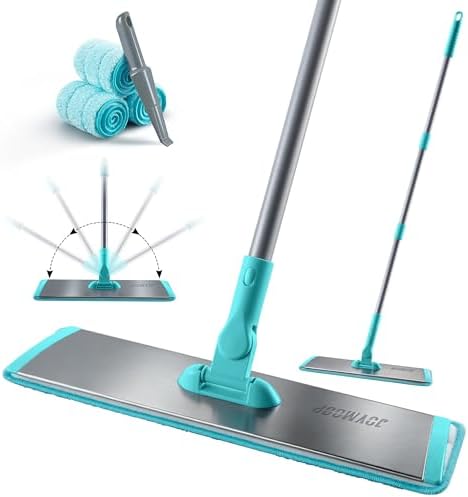
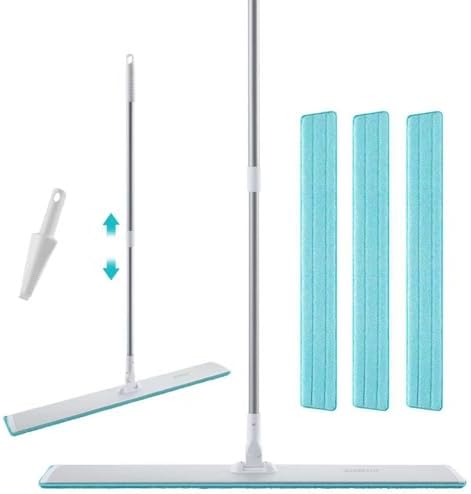
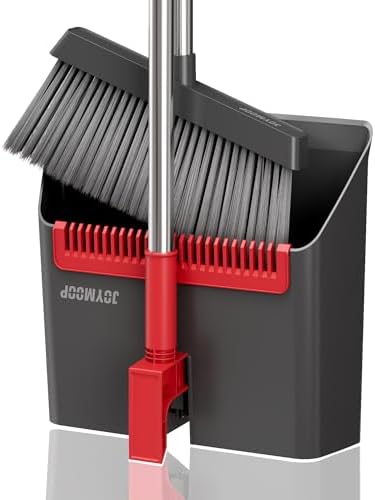
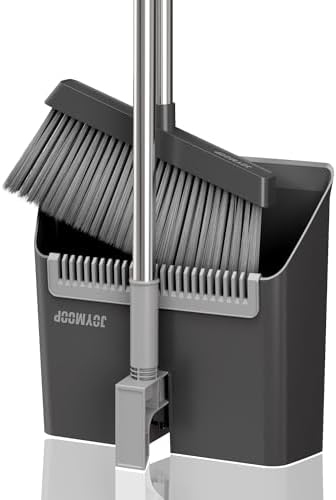
Three tools open a floor day, and they are not interchangeable. A broom and dustpan is the spot tool: crumbs by the stove, the entryway after a rainy week. A dust mop is the coverage tool: one wide pass down a hallway collects what five broom strokes would scatter, and the microfiber holds fine dust instead of launching it. A carpet rake is its own animal, built to pull embedded pet hair out of pile that a vacuum skates over.
Running the dry pass
Work from the far corner toward the door, and keep the head on the floor. Lifting a dust mop between strokes drops the fine stuff it just collected. In a furnished room, do the edges first, then lap the open middle; edges are where the hair drifts and settles.
Then the wet pass earns its keep
On a floor that has had its dry pass, the wet pad is only dealing with what is stuck: film, spills, footprints. It can be wrung drier, it streaks less, and it comes back to the bucket carrying gray water instead of black. If your rinse water still turns dark in one room, that room needed a second dry pass, not a wetter mop.
The five-minute version
On a normal week the whole opening act is five minutes: dust mop down the hall and the kitchen, broom where the crumbs are, rake if the dog has a favorite rug. It is the least glamorous part of the routine and it decides how the rest of it goes.